


Nov. 26, 2025
Publisher: Shiseido
R&D/Supply Network
Shiseido Identifies Cause of Early Age Spots Through Epigenetic Research
Develops “4M algae” that Promote Skin Less Prone to Age Spot Formation

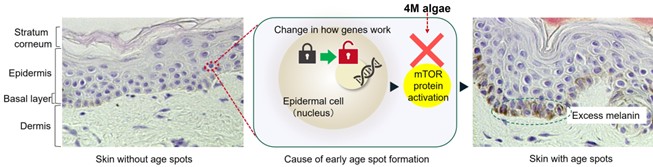
Shiseido has identified, through its unique epigenetic research, the cause of early age spot formation, which begins at the gene level. The overproduction of melanin in melanocytes located in the basal layer of the epidermis has been regarded as the primary cause of age spots. In this study, the activation of the “mTOR protein”*1 due to acquired changes in the epidermis was recognized as a potential cause of age spots at an earlier stage. Shiseido also developed “4M algae”*2, a compound ingredient that inhibits the activation of the “mTOR protein” (Figure 1).
Epigenetic research is a new field of study that examines how identical twins, despite having the same genes, can develop differences in gene expression when raised in different environments. Shiseido has been researching this field for the past five years and in 2021, discovered the gene “TIPARP” that affects future skin brightness.*3 The present study led to the successful identification of a new factor, the “mTOR protein,” involved in the development of age spots.
With the application of the compound ingredient “4M algae,” future efforts will be directed toward developing skin care that can help realize “skin less prone to age spot formation.”
The results of this study were partly presented at the 35th IFSCC*4 Congress held in Cannes, France (September 15–18, 2025).
*1: mTOR (mechanistic target of rapamycin) is a type of protein kinase responsible for signaling between cells
*2: 4M algae is a compound ingredient which containis marine-derived extract from France
*3: Shiseido Reveals Part of Mechanism that Photoaging Induces Dull Skin via Cutting-Edge Epigenetics Research
https://corp.shiseido.com/en/news/detail.html?n=00000000003266
*4: The International Federation of Societies of Cosmetic Chemists
Figure 1. Compound ingredient “4M algae” inhibits “mTOR protein” activation, which causes early age spot formation.
Research Background
Shiseido focuses on the “Spots Lifecycle” that increase in number and density over the years and change in various ways. Last year, Shiseido succeeded for the first time in “observing the skin with visible age spots in real time and at the cellular level,” uncovering factors that exacerbate age spots*5. The mechanism by which an age spot, once formed, causes another to develop has been clarified, and a formulation with three active ingredients has been successfully developed to break this cycle.
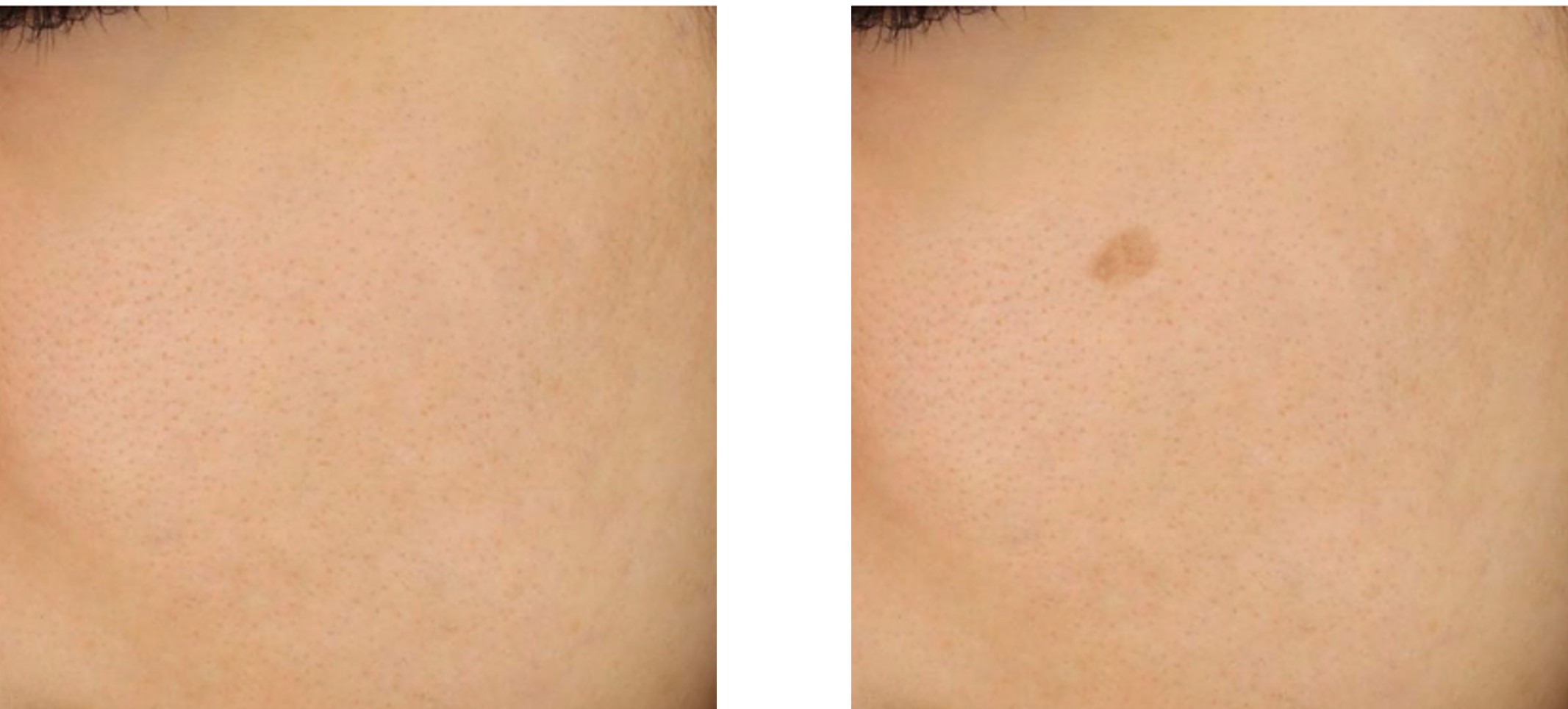
Next, Shiseido decided to examine the “stages of age spot formation.” The study aimed to clarify the changes that occur within the skin before age spots appear on the surface and to identify methods that can help the skin develop qualities that reduce its likelihood of forming age spots (Figure 2). To achieve this, an approach was taken to investigate the early causes of age spot formation from an epigenetic research perspective, which allows verification at the gene level.
*5: Shiseido elucidates the cellular senescence mechanism underlying age spots through optical real-time FLIM analysis for the first time in the world
https://corp.shiseido.com/en/news/detail.html?n=00000000003932
Figure 2. Image of skin free of age spots (left) and skin with visible age spots on surface (right)
Gene-level investigation was performed based on idea that some changes in response to age spot formation must be
occurring inside skin free of age spots
Discovery of “mTOR protein” that exhibits increased activity in skin with visible age spots
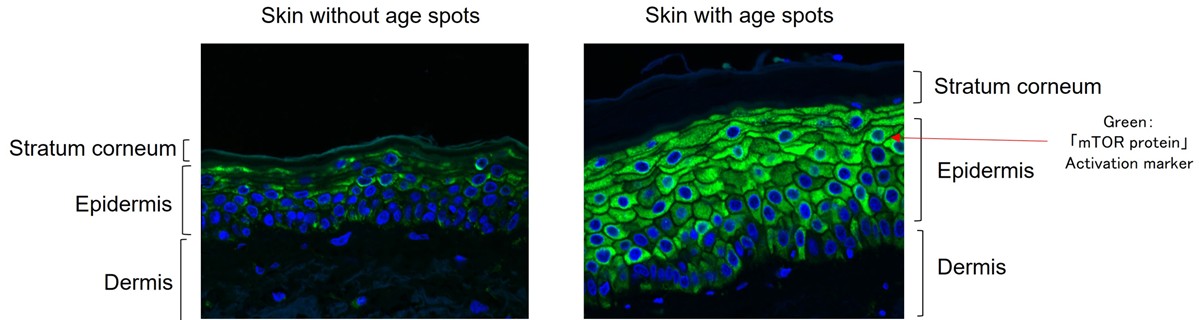
To clarify the cause of early age spot formation, Shiseido believed it was necessary to identify genes that are epigenetically altered in skin that has developed age spots due to UV rays or other factors. To this end, Shiseido collaborated with Professor Emeritus, Chikako Nishikori of Kobe University (at the time, Professor of Dermatology at Kobe University School of Medicine) to identify genes using skin information with and without age spots. As a result of a unique analysis combining gene expression analysis and DNA methylation analysis, Shiseido successfully identified multiple genes associated with age spots from among roughly 20,000 genes. In addition, Shiseido found that the “mTOR protein” produced based on one of these genes is over-activated in the skin with visible age spots (Figure 3).
Figure 3. The activity of “mTOR protein” is epigenetically enhanced in the skin that develops age spots
Activation of “mTOR protein” in epidermal cells causes early age spot formation
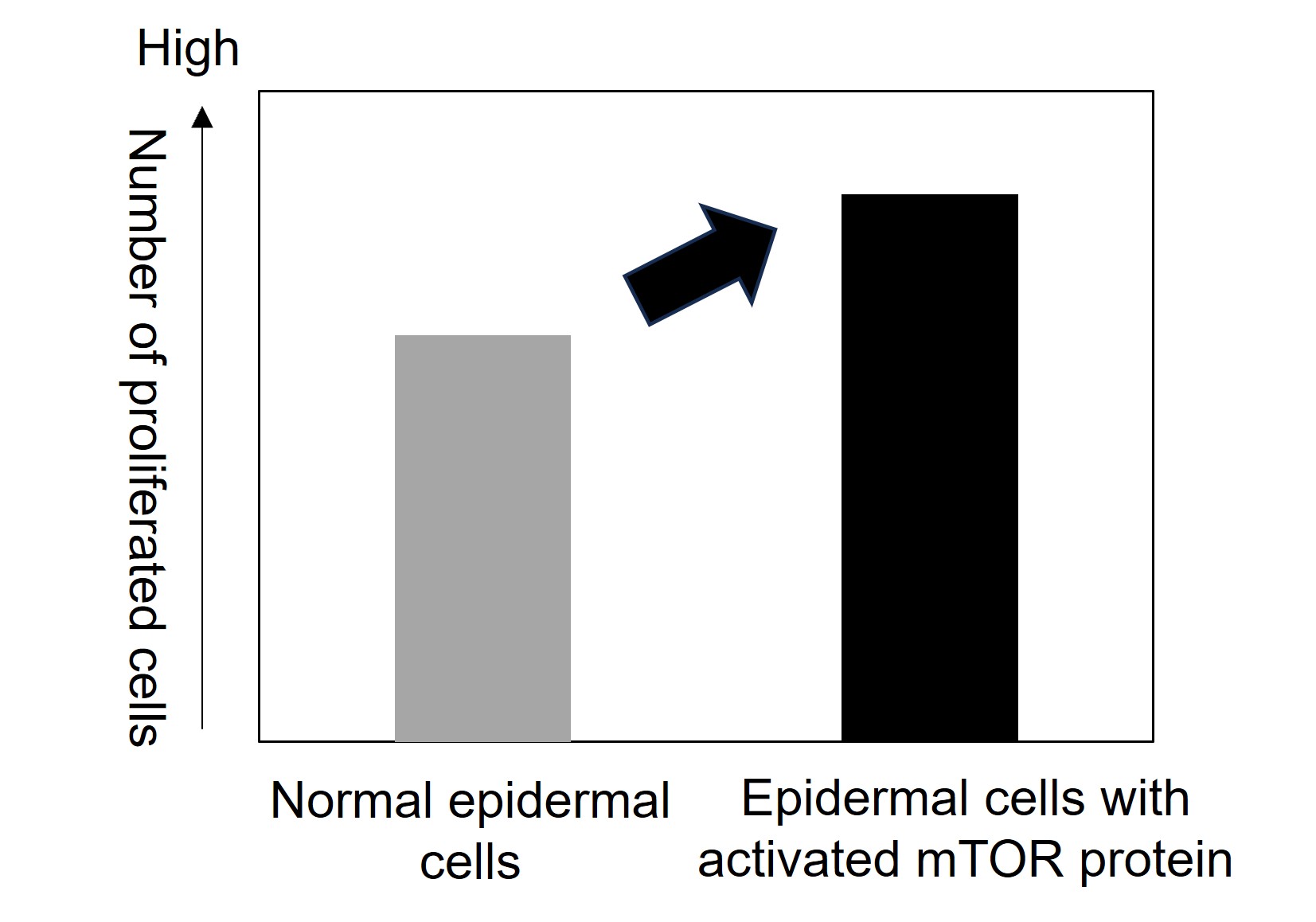
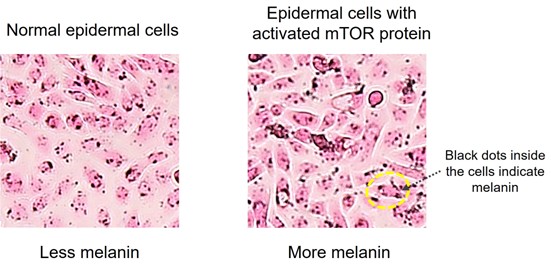
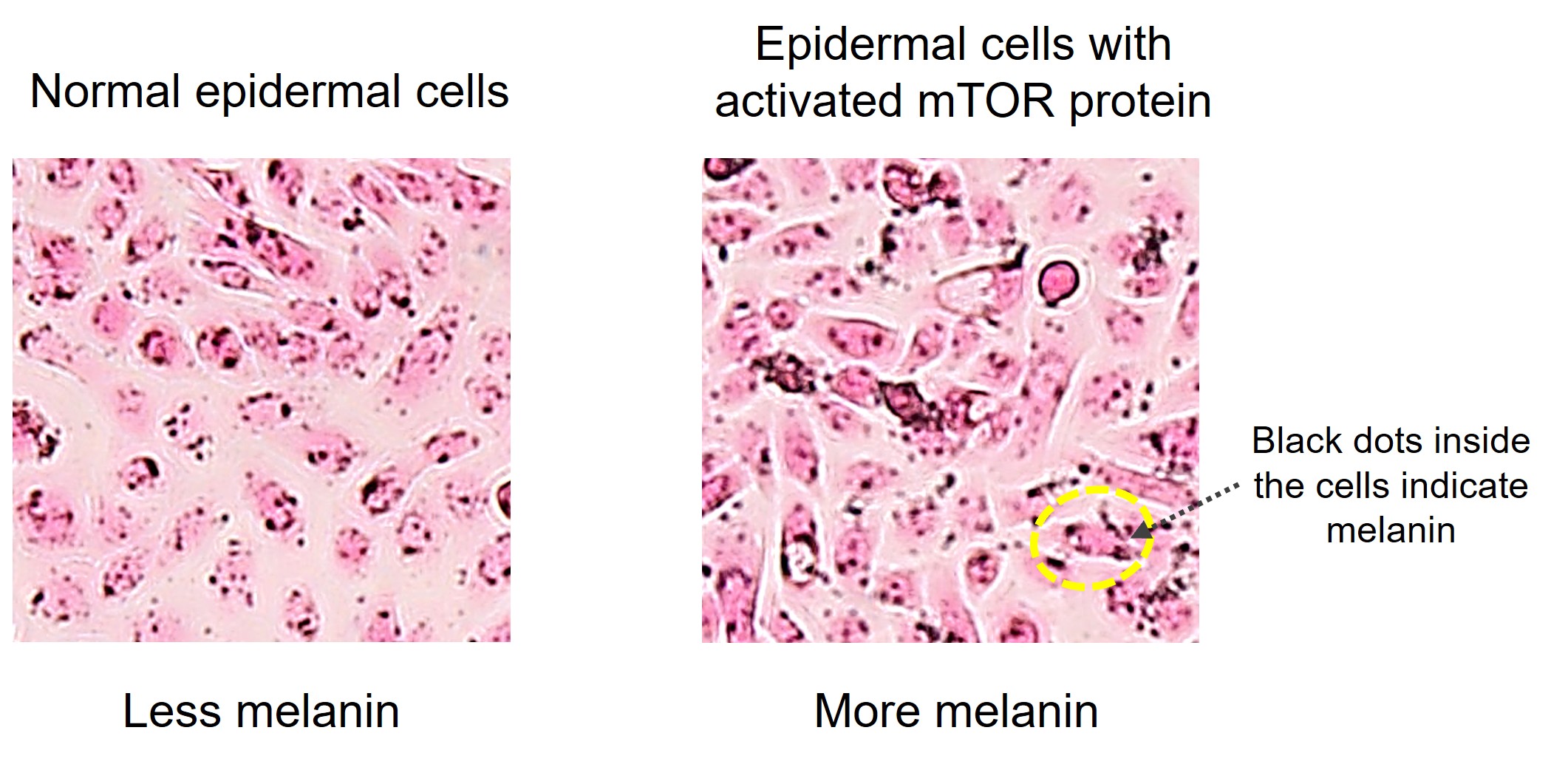
Shiseido proceeded with its investigation to clarify the involvement of the “mTOR protein” in the formation of age spots. It is already known that epidermal cells abnormally increase during the development stage of age spots; however, the present study revealed that the activation of the “mTOR protein” was partly responsible for this (Figure 4). It was also confirmed that, when melanin was added to epidermal cells in which “mTOR protein” has been activated, more melanin deposition was observed in the cells compared with normal epidermal cells (Figure 5). These findings suggested that the activation of the “mTOR protein” triggers early age spot formation by causing epidermal cell overgrowth and the excessive deposition of melanin. Suppressing this factor may help the skin become less prone to age spots.
Figure 4. Activation of “mTOR protein” leads to excessive proliferation of epidermal cells
Figure 5. Melanin deposition occurs more easily in epidermal cells as a result of “mTOR protein” activation
“4M algae” prevents early age spot formation and promotes skin less likely to develop age spots
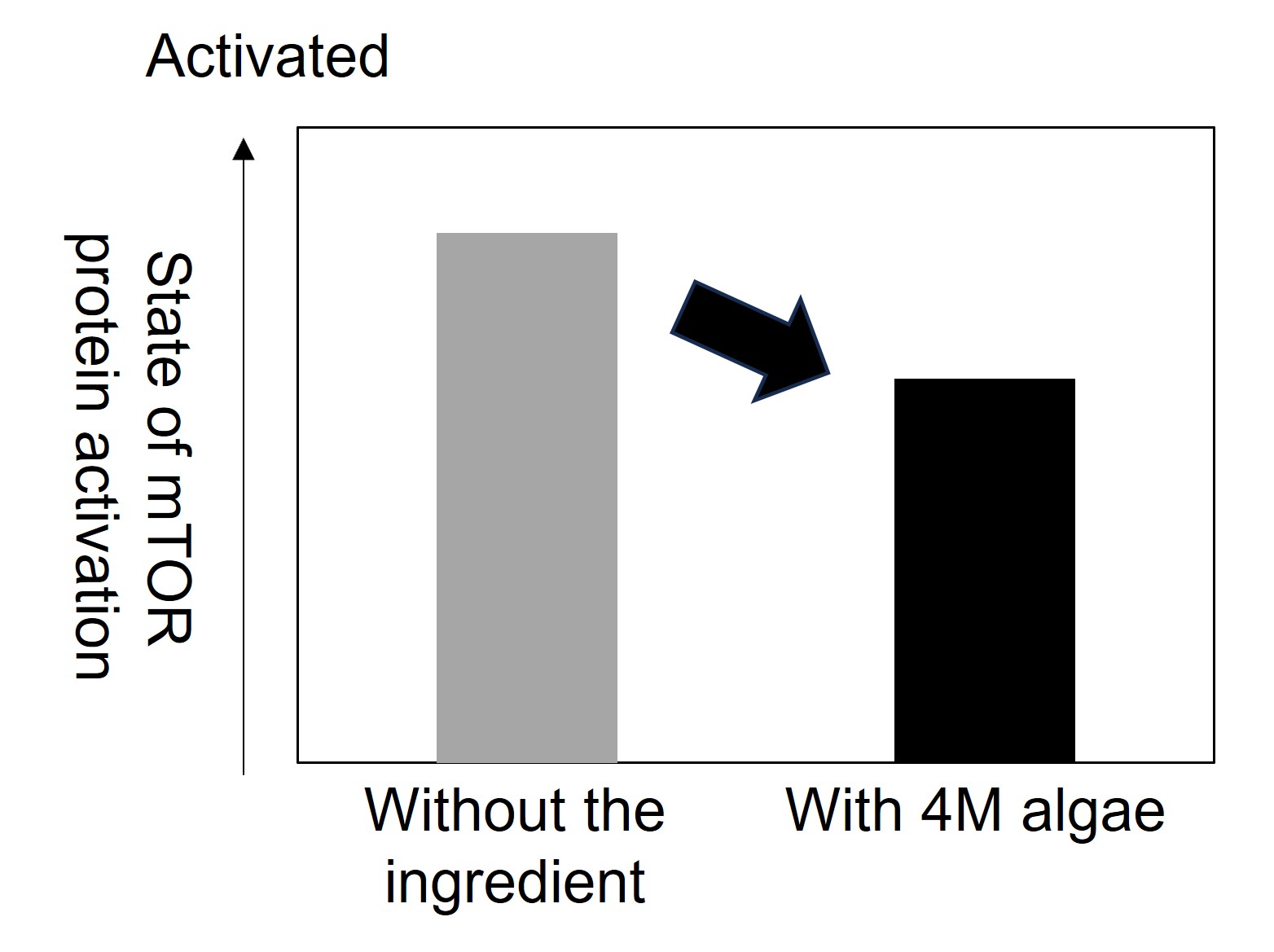
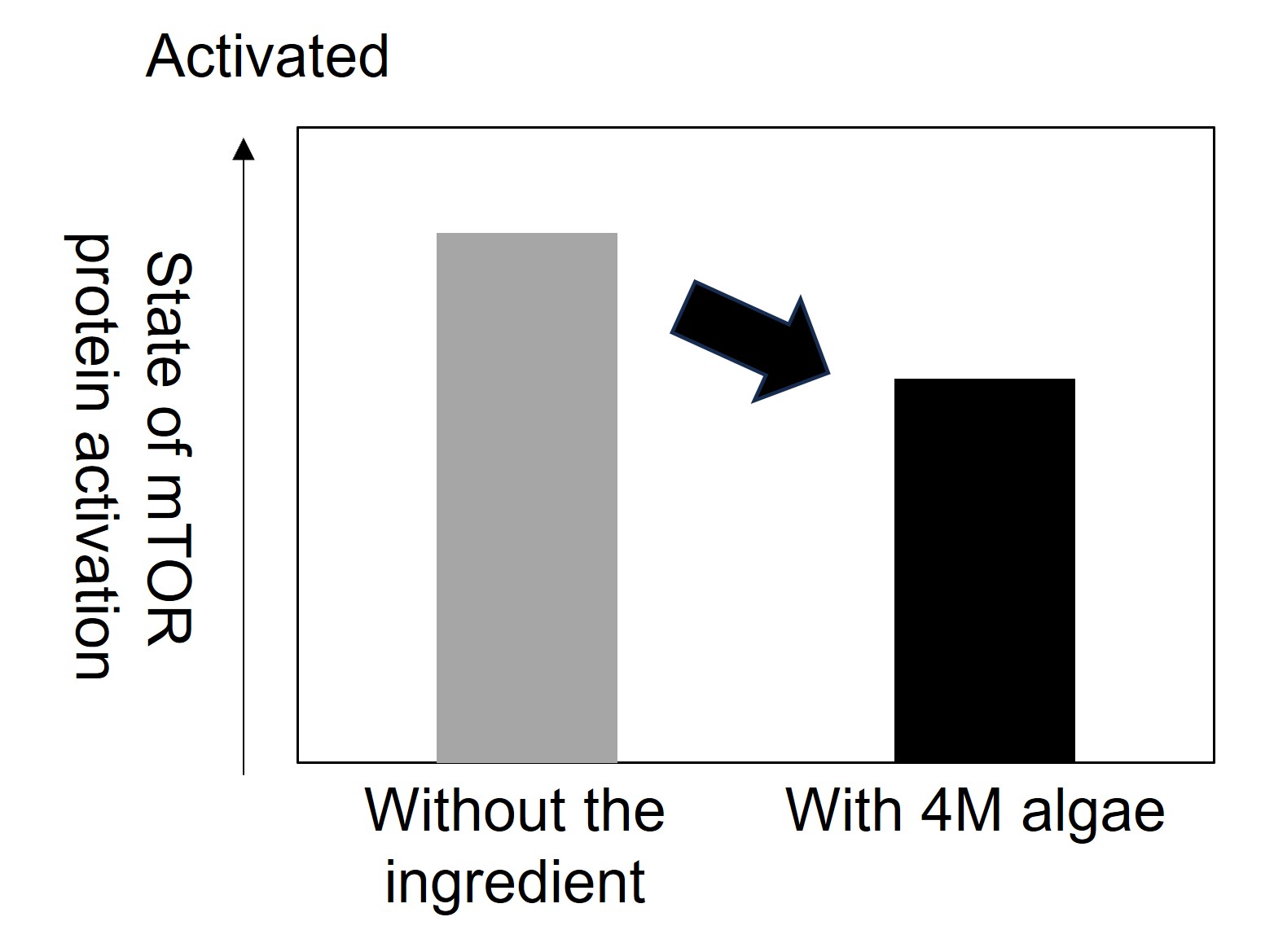
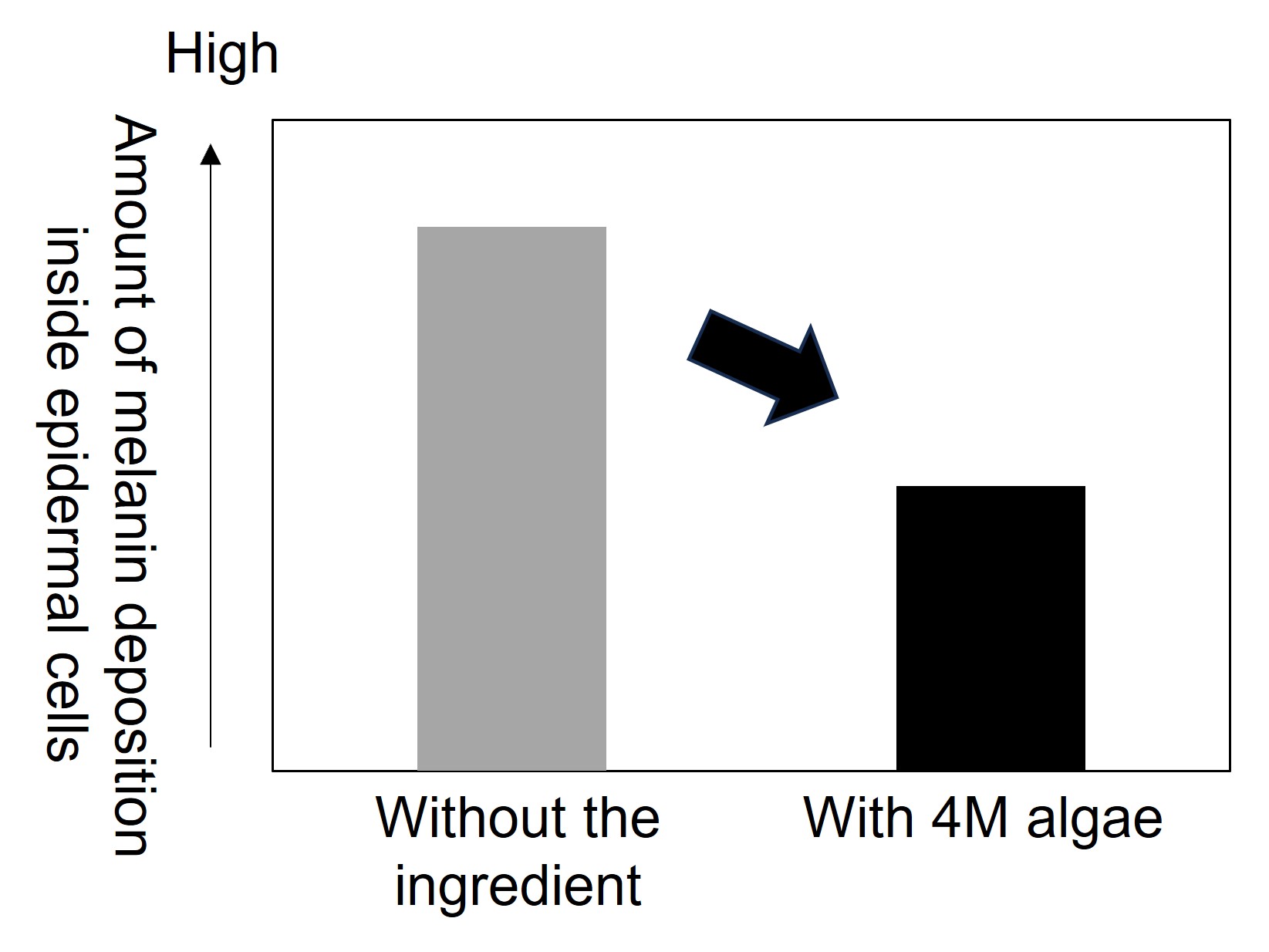
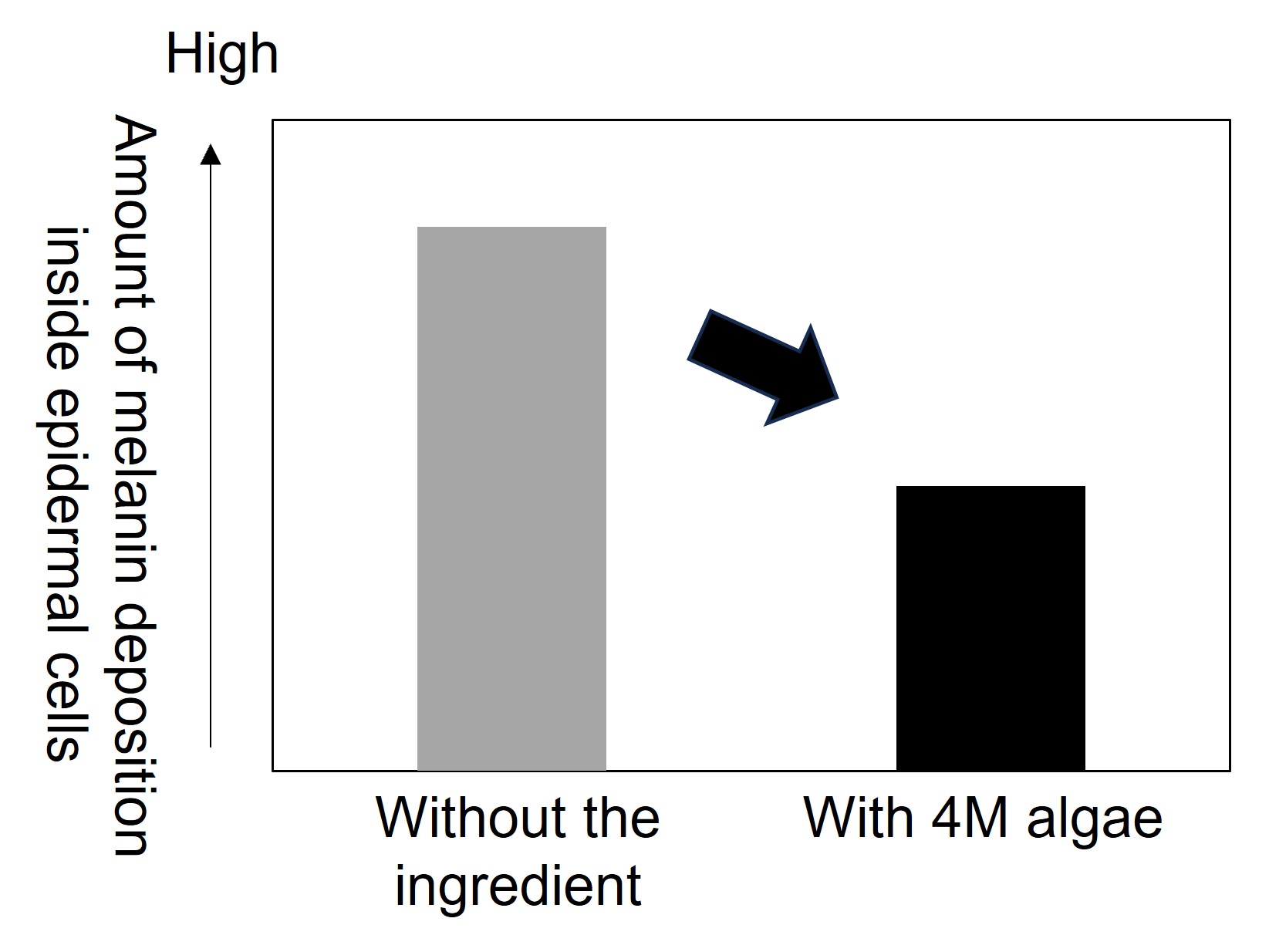
A search for ingredients that inhibit the activation of the “mTOR protein” led to the discovery that the compound ingredient “4M algae,” which contains marine-derived extract from France, has this effect (Figure 6). “4M algae” also showed an effect in preventing melanin deposition in epidermal cells (Figure 7), indicating the possibility that it may suppress the development of age spots in the early stage.
Figure 6. Inhibitory effect of “4M algae” on “mTOR protein” activation
Figure 7. Effect of “4M algae” on preventing epidermal intracellular melanin deposition
*The content of the release is correct as of the time of release, but please note that it may in some cases differ from the latest information.
Related News
Jul. 17, 2026
Shiseido Discovers Dual Effect in Cilantro Fruit Extract: Eliminating Senescent Cells and Increasing Normal Cells in Skin

Jul. 16, 2026
Shiseido Announces Recipients of the 19th Shiseido Female Researcher Science Grant

Jul. 6, 2026
Shiseido Discovers “Ring Collagen,” a Collagen Structure That Creates Tension to Maintain Facial Shape