


Feb. 25, 2026
Publisher: Shiseido
R&D/Supply Network
Shiseido Develops AI-Based Systems to Assess Ingredient Biodegradability and Identify Safety Information
Accelerating Digital Transformation in R&D to Create New Value

Shiseido Company, Limited (hereafter, “Shiseido”) has developed two AI-based technologies designed for assessing biodegradability and identifying safety information for cosmetic ingredients, fields that require the collection and analysis of essential information from vast amounts of data. This is part of the company’s commitment to creating new value by integrating digital transformation (DX) with research expertise cultivated over more than 100 years in R&D.
The first technology is the development of a biodegradability*1 assessment method for cosmetic ingredients to support the industry-wide shift toward using environmentally-friendly materials to create a sustainable society. The second is the development of a safety information identification system to enhance assessment accuracy and efficiency, ensuring compliance with high safety and quality standards so consumers can use cosmetics with confidence. These technologies will reduce reliance on individual expertise in R&D, streamline and enhance processes, and strengthen response to environmental issues and human safety, contributing to the advancement of the cosmetics industry as a whole and the realization of a sustainable society.
Moving forward, Shiseido will continue to advance DX by expanding the use of AI and strengthening data collaboration with external research institutions. The company aims to create innovations beyond those derived from experience and to further accelerate R&D.
*1 The property of materials and substances to be broken down by naturally occurring microorganisms into water, carbon dioxide, and other naturally occurring substances.
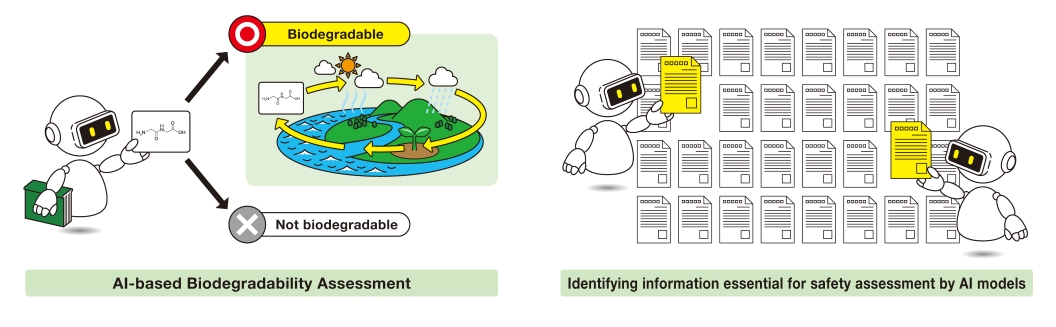
Figure 1 Strengthening response to environmental issues and human safety using AI
Download Small Image[180KB] Download Large Image[1625KB]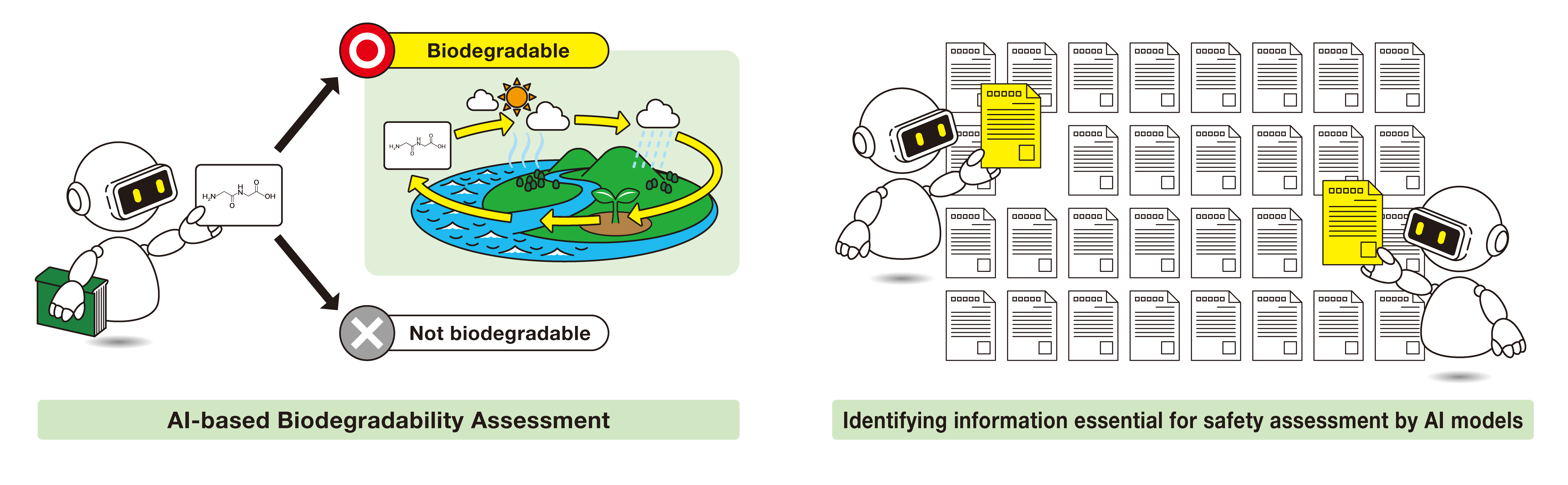
Achievement 1. Development of a biodegradability assessment method for cosmetic ingredients utilizing AI-QSAR.
As part of its research strategy, Shiseido champions the idea “Sustainability Innovation: Creating circular value,” prioritizing ingredient selection that reduces environmental impact. Since 2020, Shiseido has been assessing the biodegradability of cosmetic ingredients using internationally recognized testing methods. However, conventional assessment methods face challenges, including being time- and cost-intensive, and the results being influenced by individual experience. These have led to a demand for simpler and more accurate assessment methods.
With the cooperation of the National Institute of Technology and Evaluation, Incorporated Administrative Agency, Shiseido has developed an AI-based method to predict the biodegradability of cosmetic ingredients based on their chemical structures, then uses those results to assess cosmetic ingredients. This approach builds on an AI based quantitative structure–activity relationship model for predicting biodegradability (hereafter, “AI-QSAR”) developed for Japan’s Act on the Regulation of Manufacture and Evaluation of Chemical Substances (hereafter, “the Chemical Substances Control Law”) as part of a Ministry of Economy, Trade and Industry (METI) FY2022 commissioned project on chemical safety measures (in the form of surveys on introducing a comprehensive assessment of the degradability and bioaccumulation of chemicals). For cosmetic ingredients not subject to the Chemical Substances Control Law, Shiseido conducted new biodegradability tests to gather empirical data. By comparing measured values with predictions from the AI-QSAR model and optimizing it in stages, the company has achieved a high level of predictive accuracy for the biodegradability of cosmetic ingredients.
The AI-QSAR method enables the biodegradability of cosmetic ingredients to be assessed quickly and more easily without relying on advanced expertise or exhaustive testing. Processes that traditionally took one to two months can now deliver results in real-time through AI-QSAR. Moving forward, Shiseido aims to utilize this AI model across the entire cosmetics industry, contributing to the development of technologies that reduce environmental impact across the sector.
*2 An AI model trained on the chemical structures of biodegradable ingredients and their degradation and assesses whether an ingredient can be broken down into naturally occurring substances such as water and carbon dioxide.
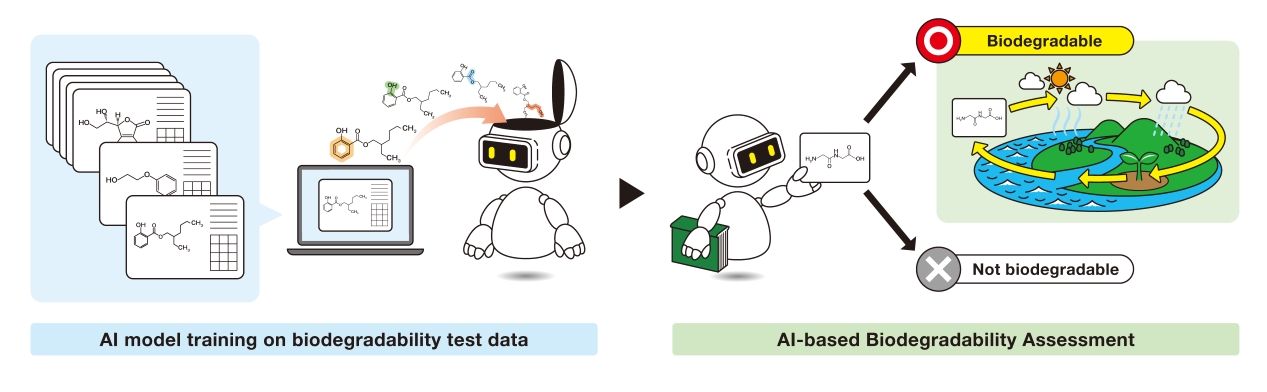
Figure 2 Conceptual diagram of AI-QSAR prediction for biodegradability *2
Download Small Image[187KB] Download Large Image[1340KB]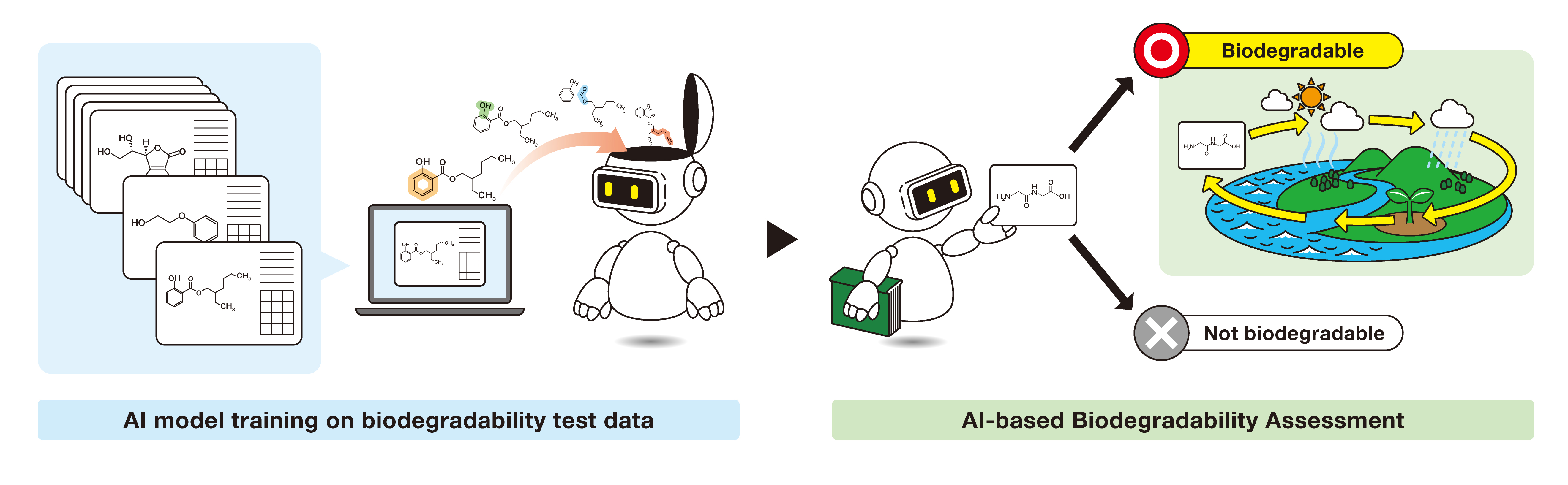
Achievement 2. Development of a System for Rapidly Identifying Safety Information on Cosmetic Ingredients.
Since the establishment of its safety research department in 1963, Shiseido has conducted research on safety assessment methods for over 60 years. Since 2003, the company has also engaged in AI research, using cutting-edge technology to improve safety assessment methods. Safety assessment follows three stages: (1) reviewing vast existing information, including internal and external documents; (2) assessment through tests predicting toxicity, such as irritation, allergic response, and genotoxicity; and (3) final confirmation through human testing. The gathering of critical information requires advanced expertise and a significant amount of time. A major challenge was that insufficient information made safety assessment difficult, preventing the use of certain ingredients.
Shiseido has developed a system that identifies safety-related information on cosmetic ingredients and determines its relevance for safety assessment with high accuracy. This system quickly extracts critical information on assessed items, such as repeated-dose toxicity and skin sensitization, and can identify the relevance of documents. This reduces the risk of individual bias and oversights, allowing specialists to focus on making final safety decisions.
This research enhances the precision and reliability of safety assurance, enabling the effective allocation of professional resources toward new research and talent development. Furthermore, it has enabled the use of ingredients previously set aside due to insufficient information, paving the way for future innovation in cosmetics.
The research was presented at the 37th Annual Meeting of the Japanese Society for Alternatives to Animal Experiments in 2024 and received the Conference Chair's Special Award.
*3 The AI model accurately calculates a score for previously unseen text based on the likelihood that it contains important information for safety assessment.
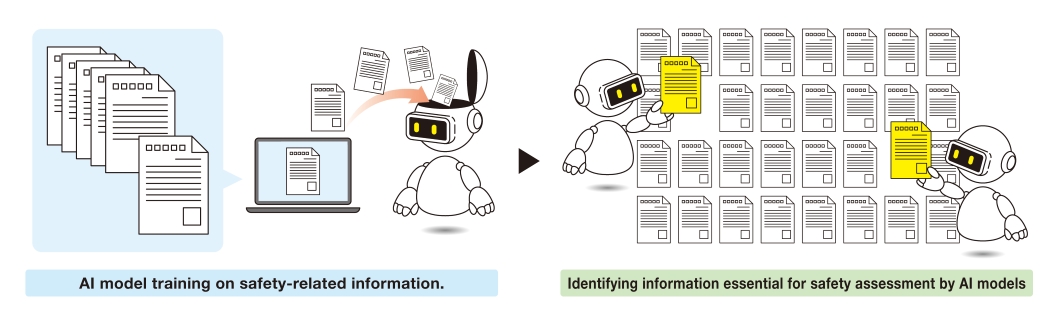
Figure 3 Conceptual diagram of an AI model that supports safety assessment*3
Download Small Image[163KB] Download Large Image[1333KB]
Future Prospects
Shiseido has always prioritized quality and safety above all else, striving to meet voluntary standards that exceed regulatory compliance and to maintain the highest levels of quality. The two AI models developed are also based on innovative concepts aimed at improving the accuracy of safety assurance for both people and the environment. By maximizing the use of existing information that would be difficult to find solely through human effort and continuously advancing assessment frameworks using cutting-edge technology, Shiseido will drive innovation in cosmetic technology and pioneer new possibilities.
Reference
Safety Assurance
https://corp.shiseido.com/en/rd/safety/
Awards from Academic Societies for Alternatives to Animal Testing and Safety Evaluation Methods
https://corp.shiseido.com/en/rd/safety/open/experiment/awards/
*The content of the release is correct as of the time of release, but please note that it may in some cases differ from the latest information.
Related News
Jul. 17, 2026
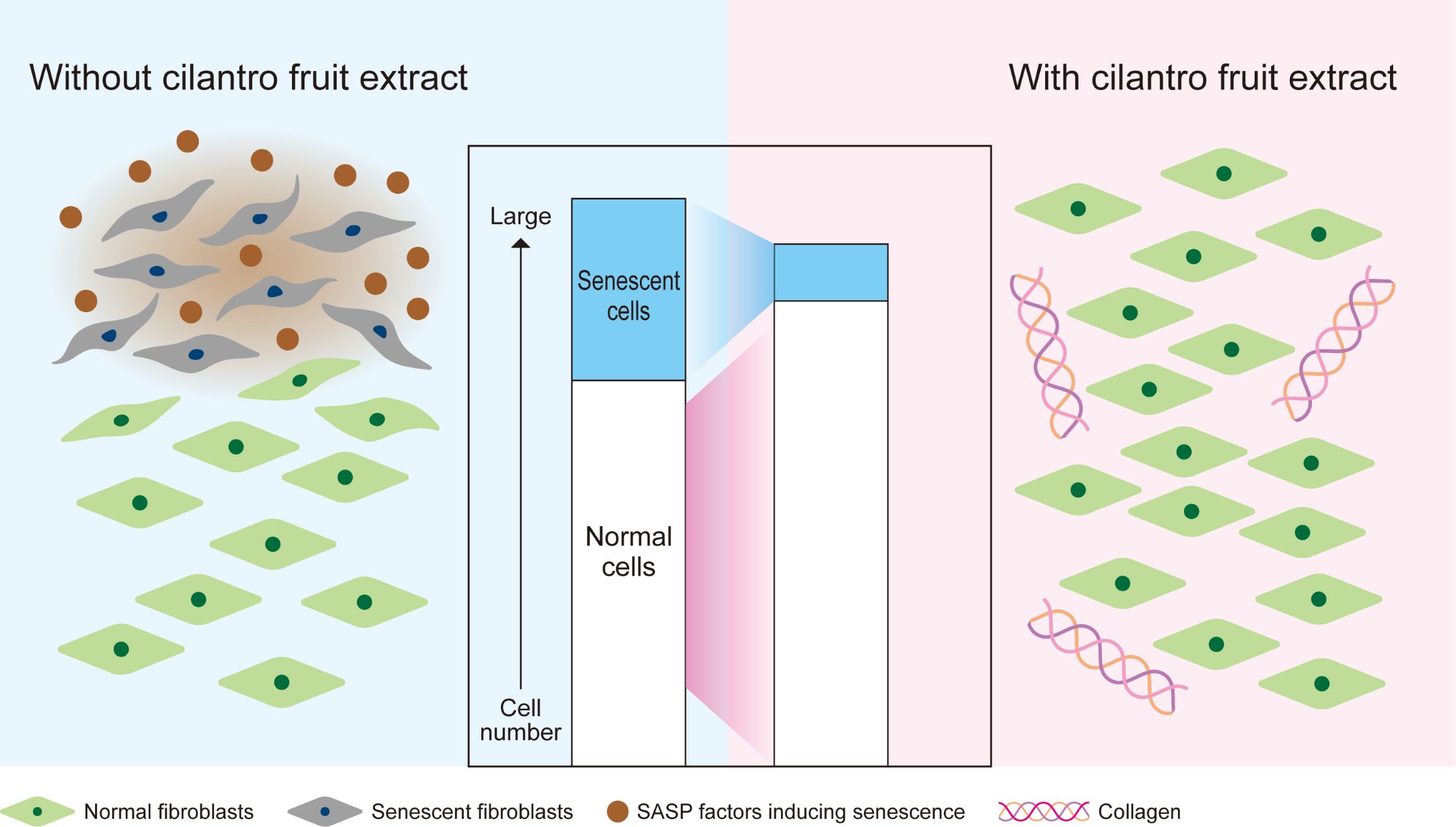
Shiseido Discovers Dual Effect in Cilantro Fruit Extract: Eliminating Senescent Cells and Increasing Normal Cells in Skin
Jul. 16, 2026
Shiseido Announces Recipients of the 19th Shiseido Female Researcher Science Grant

Jul. 6, 2026
Shiseido Discovers “Ring Collagen,” a Collagen Structure That Creates Tension to Maintain Facial Shape